Home
Services
Blog
Booking
Contacts
0410 538 989
Our Blog
The beauty of shared experiences.
Home
Blog
Blog Post
Sports Massage Sydney CBD Before and After Training
RMADN - Jul 09, 2026
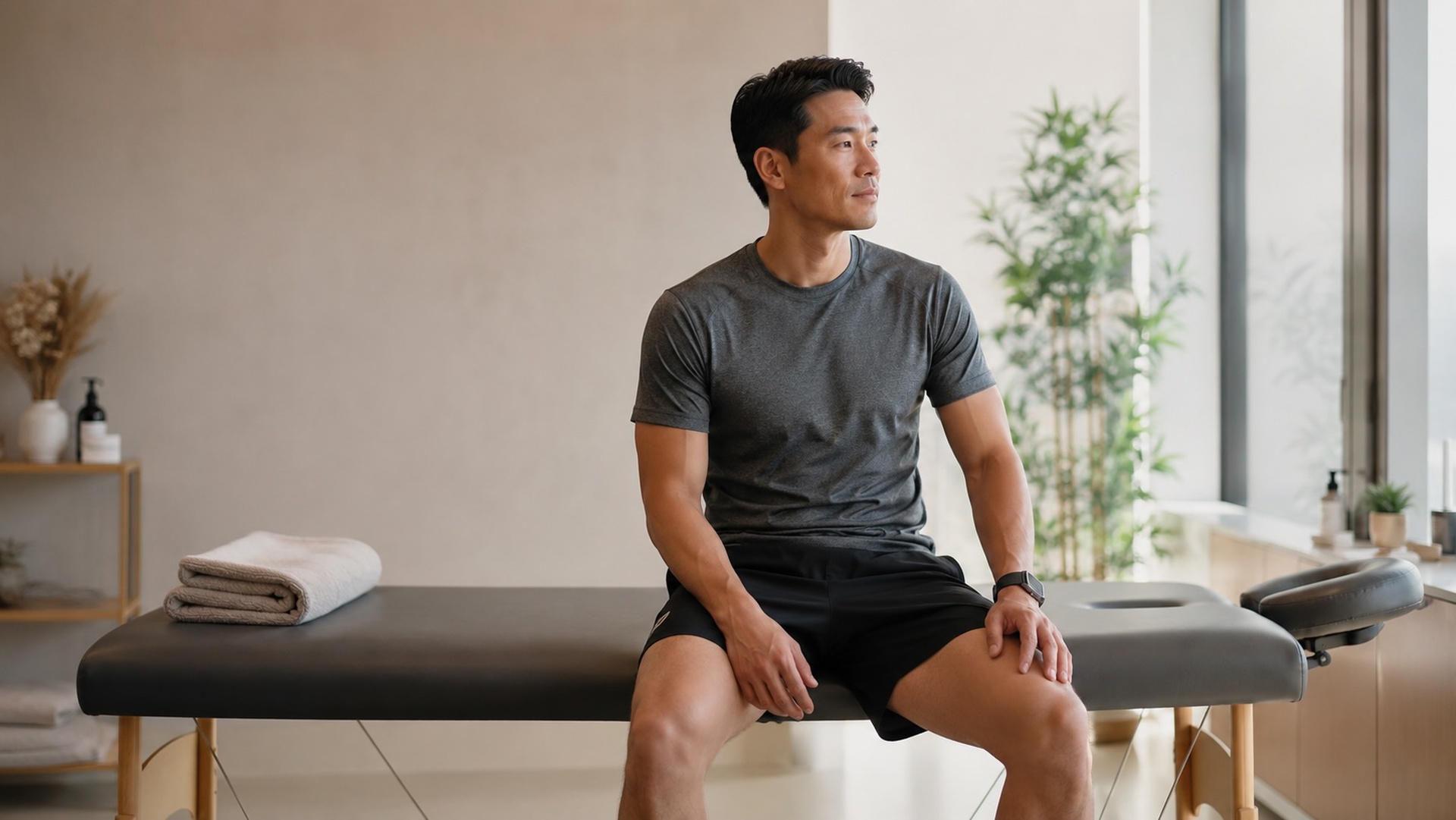
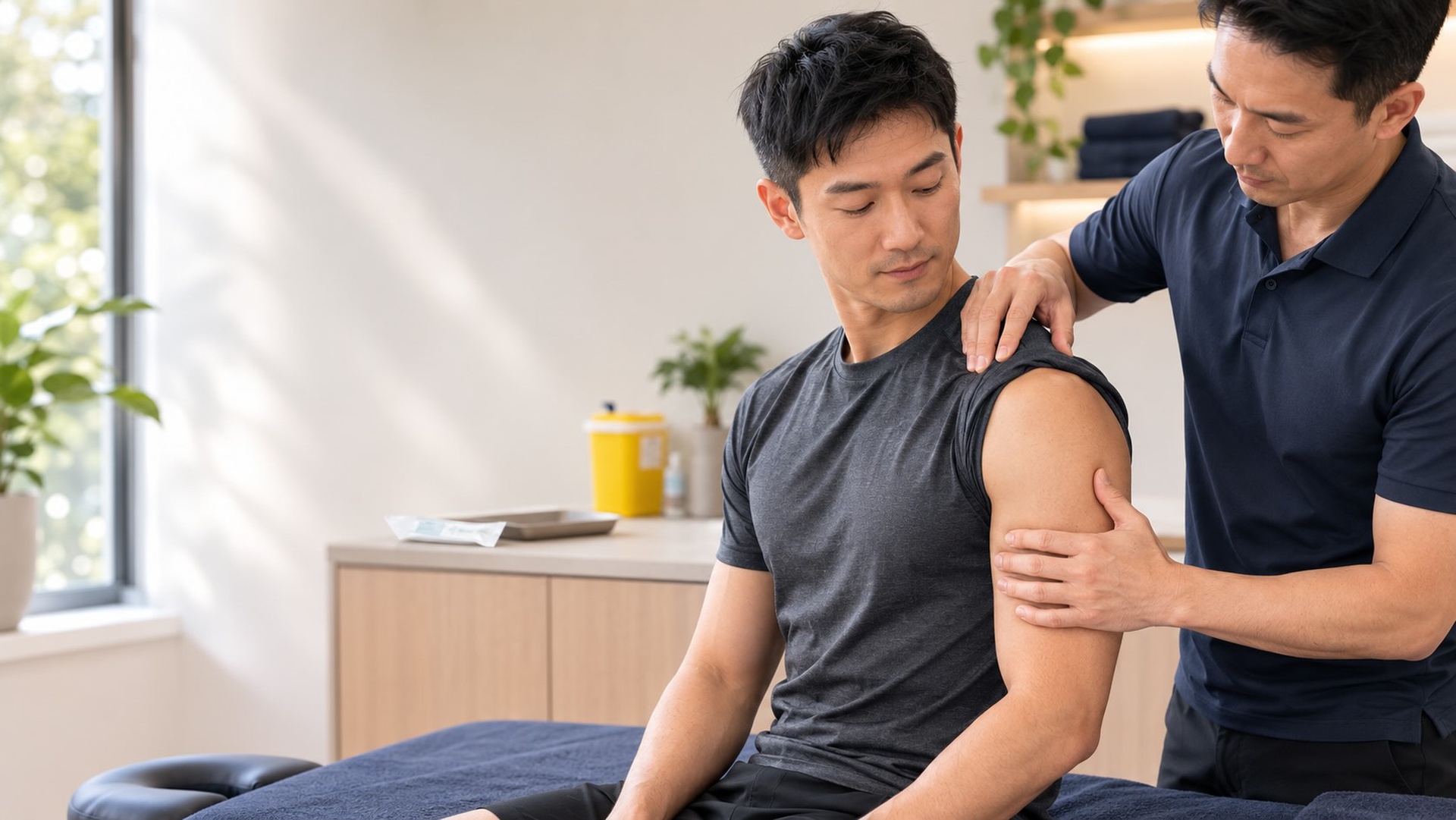
<p>Training does not happen in isolation. For many Sydney CBD office workers, the body is already carrying the effects of long sitting hours, commuting, stress, screen time, and limited movement variety before a workout even begins.</p> <p>That does not mean your posture is “bad” or your body is damaged. The spine and muscles are resilient. However, staying in one position for long periods can contribute to temporary stiffness, muscle guarding, reduced mobility, and a heavier feeling when you train.</p> <p>At <strong>Remedial Massage And Dry Needling</strong> in <strong>Sydney CBD</strong>, just a <strong>2-minute walk from Town Hall Station</strong>, sports massage may be used to support active people before and after training.</p> <h2><strong>What Is Sports Massage?</strong></h2> <p>Sports massage is a targeted form of soft tissue therapy often used by people who exercise, train, play sport, or place repeated physical demands on their body.</p> <p>You do not need to be a professional athlete to benefit from it. You might be running before work, lifting weights after work, cycling, playing weekend sport, doing Pilates, or returning to exercise after a busy period.</p> <p>A sports massage session may focus on muscles, tendons, fascia, trigger points, joint movement, and areas that feel overloaded. The pressure and techniques should be adjusted to your body, training load, comfort, and goals.</p> <h2><strong>Why Training Can Feel Harder After Desk Work</strong></h2> <p>Many people feel tight before training because they have spent most of the day in one position. The issue is usually not one “wrong” posture. It is more often the lack of regular movement and the repeated positions your body adapts to during the day.</p> <p>Long periods of sitting may contribute to stiffness through the hips, lower back, neck, shoulders, chest, calves, and upper back. Stress can also increase jaw, neck, and shoulder tension. If you move straight from your desk to a workout, some movements may feel restricted or harder to control.</p> <p>For example, squats may feel limited if your hips and ankles feel stiff. Running may feel heavy if your calves and hip flexors are tight. Upper-body training may feel uncomfortable if your chest, shoulders, and upper back have been held in desk-based positions all day.</p> <p>Sports massage may help reduce unnecessary muscle guarding, improve comfort, and make it easier to move into your warm-up.</p> <h2><strong>Sports Massage Before Training</strong></h2> <p>Before training, the aim is usually to help the body feel more mobile and ready to move. This does not usually mean heavy, deep treatment that leaves you sore.</p> <p>A pre-training sports massage may include lighter soft tissue work, rhythmic techniques, assisted movement, and targeted release around areas that commonly restrict movement.</p> <p>For runners, this may include the calves, quads, hamstrings, glutes, hip flexors, and lower back. For gym training, it may include the shoulders, chest, lats, hips, or upper back. For office workers, treatment may also address neck and shoulder tension from screen-based work.</p> <p>The goal is not to force performance. It is to help your body feel less restricted, so your warm-up, training session, and movement quality feel smoother.</p> <h2><strong>Sports Massage After Training</strong></h2> <p>After training, the goal is usually different. Your body may feel heavy, tired, tight, or mildly sore. Post-training sports massage may help calm muscle tone, reduce perceived tension, and support recovery between sessions.</p> <p>This may be useful after long runs, heavy gym sessions, cycling, sport, or training blocks where your workload has increased.</p> <p>Treatment after training may involve slower soft tissue work, broad pressure, trigger point therapy, gentle stretching, and mobility-focused techniques. Pressure should be adjusted carefully, especially if the muscles are already sensitive.</p> <p>More pressure is not always better. Very firm massage immediately after intense training may increase soreness for some people. A good session should match your recovery needs, not just feel intense.</p> <h2><strong>Does Sports Massage Remove Lactic Acid?</strong></h2> <p>You may have heard that massage “flushes lactic acid” from muscles. That explanation is outdated.</p> <p>After exercise, the body naturally processes lactate relatively quickly. Sports massage is better understood as helping with comfort, muscle tone, relaxation, perceived soreness, and readiness to move again.</p> <p>In plain English, it may help your nervous system settle, reduce the feeling of tightness, and make recovery feel more manageable. It should be viewed as one part of recovery, alongside sleep, hydration, nutrition, warm-ups, progressive training, and enough rest between sessions.</p> <h2><strong>When Symptoms Should Be Properly Assessed</strong></h2> <p>Not every ache needs urgent care, but some symptoms should not be treated as ordinary muscle tightness.</p> <p>You should seek proper assessment if pain is severe, worsening, persistent, unusual, or unexplained. You should also speak with a GP or qualified health professional if you experience numbness, tingling, weakness, swelling, significant bruising, pain after a fall or accident, fever, unexplained weight loss, night pain, chest pain, shortness of breath, or changes to bowel or bladder control.</p> <p>Sports massage may help with many soft tissue concerns, but it should not replace medical assessment when symptoms are not behaving like normal training soreness.</p> <h2><strong>Where Dry Needling May Fit</strong></h2> <p>In some cases, dry needling may be discussed as part of your treatment plan when clinically appropriate.</p> <p>Dry needling involves inserting sterile, single-use needles into specific muscles by a suitably qualified practitioner. It should only be performed after an assessment, a clear explanation of potential benefits and risks, and your informed consent.</p> <p>Your practitioner should explain the relevant risks, alternatives, and aftercare before treatment.</p> <h2><strong>How Often Should You Book?</strong></h2> <p>This depends on your training load, symptoms, recovery, and goals.</p> <p>Some people book sports massage occasionally after a demanding training block. Others prefer regular sessions during periods of increased exercise, competition preparation, or recurring tightness.</p> <p>A practical time to book is when muscle tightness starts affecting your movement, recovery, comfort at work, sleep, or training consistency.</p> <h2><strong>Sports Massage in Sydney CBD Near Town Hall</strong></h2> <p>If you train before work, during lunch, or after work, convenience matters.</p> <p><strong>Remedial Massage And Dry Needling</strong> is located in <strong>Sydney CBD</strong>, just a <strong>2-minute walk from Town Hall Station</strong>, making it accessible for office workers, gym users, runners, and active people in the city.</p> <p>Treatment is tailored to your current symptoms, work routine, training schedule, and comfort level.</p> <h2><strong>Final Takeaway</strong></h2> <p>Sports massage before and after training may help active Sydney CBD office workers feel more mobile, comfortable, and prepared for exercise.</p> <p>It is not a cure-all, and results vary from person to person. But when used appropriately, it can be a practical part of managing training load, desk-related stiffness, and recovery between sessions.</p>
Other Articles
Dry Needling for Shoulder Pain in Sydney CBD
Why Back Pain Returns After Sitting All Week
The greatest wealth is health.
Let us heal your pains.
Book Now