Home
Services
Blog
Booking
Contacts
0410 538 989
Our Blog
The beauty of shared experiences.
Home
Blog
Blog Post
Neck and Jaw Pain Connection: Causes and Solutions
RMADN - Apr 16, 2026
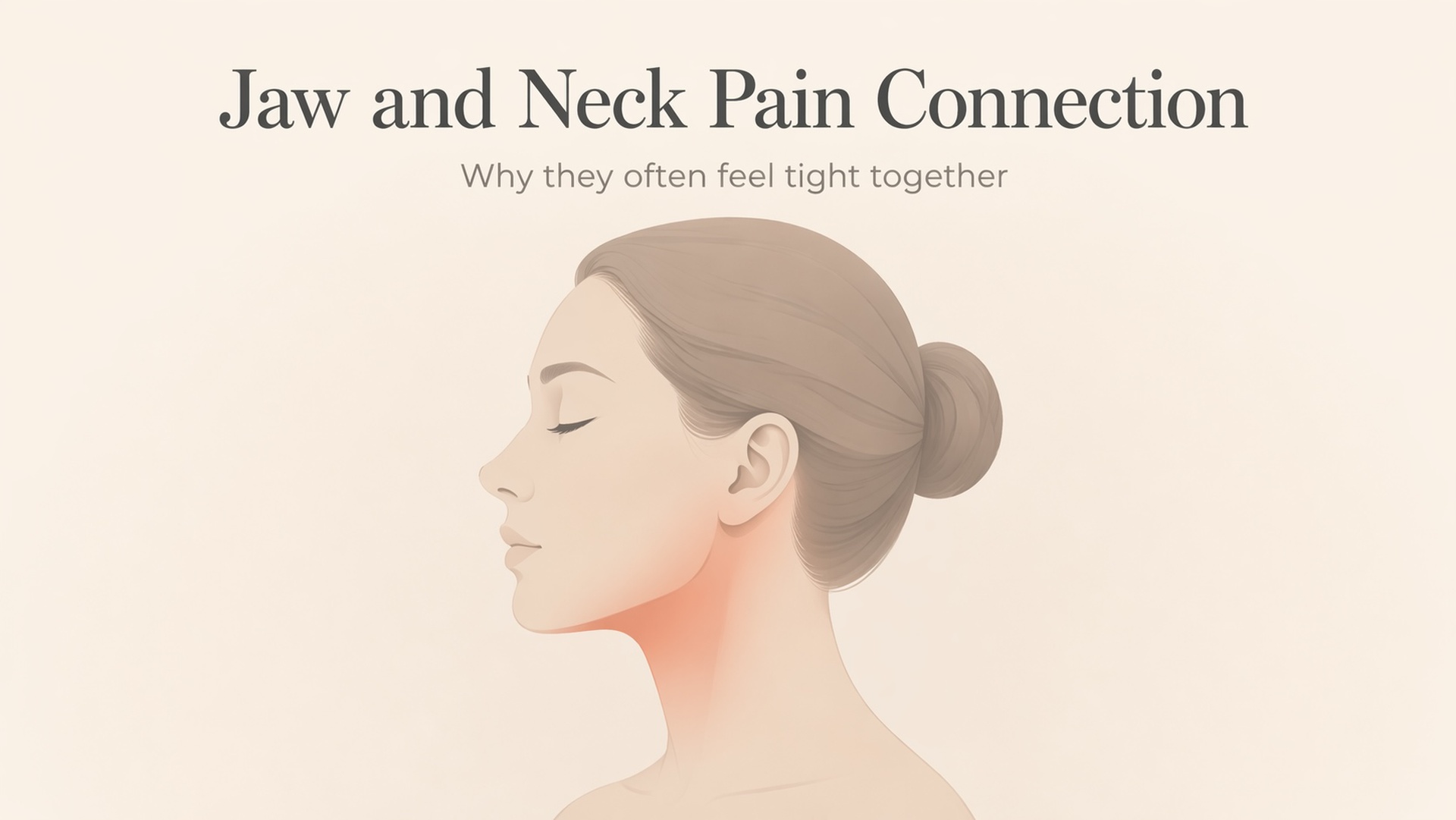
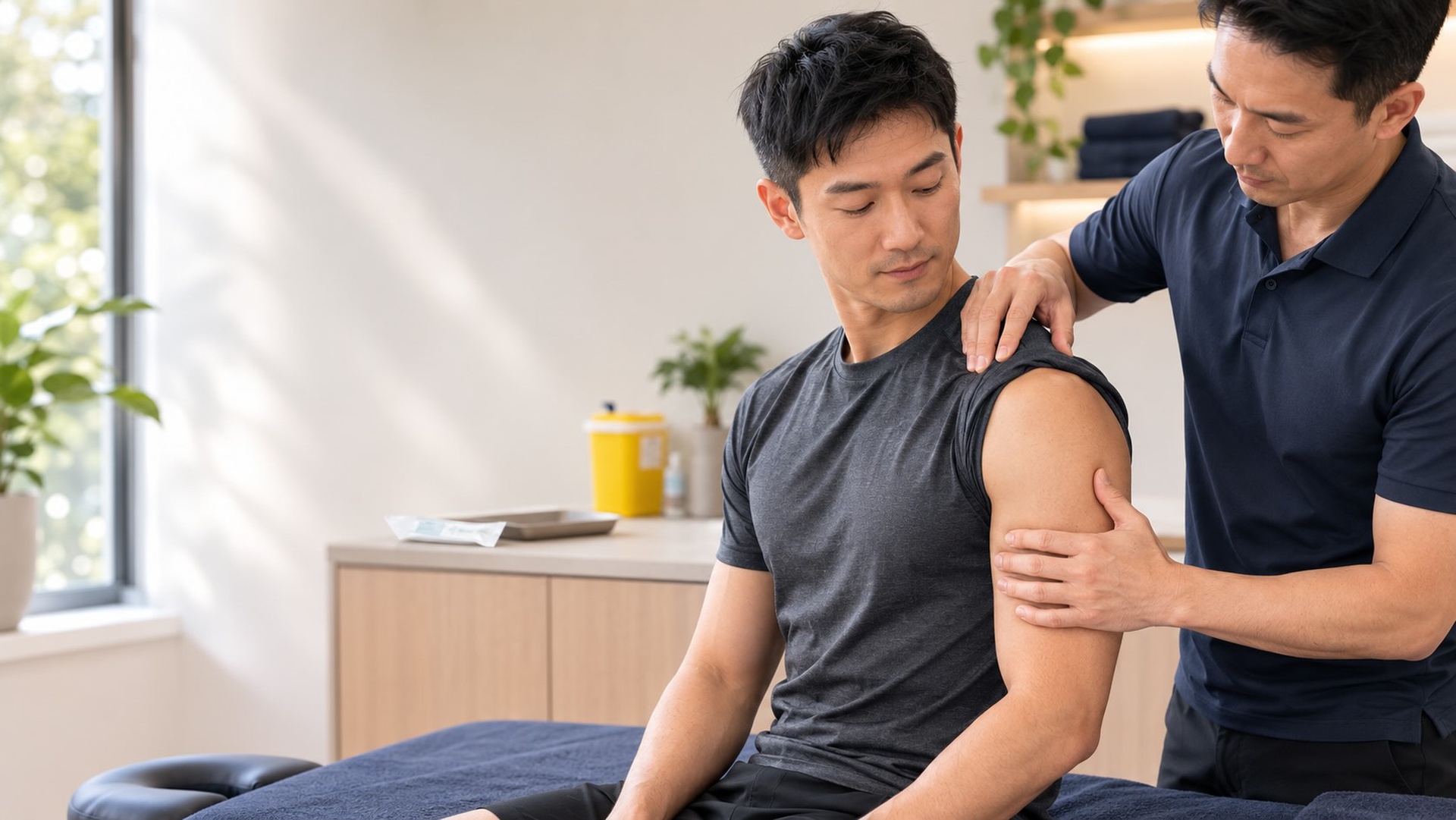
<p>Jaw tension and neck pain are closely linked. Discover why they happen together—and how the right treatment can relieve both effectively.</p> <h2><strong>Why Jaw and Neck Pain Often Show Up Together</strong></h2> <p>If you’ve ever had jaw tightness along with neck pain, you’re not imagining it—they’re closely connected.</p> <p>Many people focus on one area and miss the bigger picture. But in practice, the jaw and neck work as part of the same system. When one becomes tight or overloaded, the other often follows.</p> <p>That’s why treating only the jaw—or only the neck—sometimes gives temporary relief, but the tension keeps coming back.</p> <hr /> <h2><strong>How the Jaw and Neck Are Connected</strong></h2> <p>The jaw (TMJ) and the neck share:</p> <ul> <li>Muscle connections</li> <li>Nerve pathways</li> <li>Movement patterns</li> </ul> <p>Muscles around your jaw, such as the masseter and temporalis, don’t work in isolation. They interact with the muscles of your neck—especially those that support your head and control posture.</p> <p>When tension builds in one area, it often spreads to the other.</p> <hr /> <h2><strong>Common Causes We See in the Clinic</strong></h2> <h3><strong>Teeth Clenching and Grinding</strong></h3> <p>Clenching (often during stress or even during sleep) overloads the jaw muscles.</p> <p>Over time, this tension can travel into the neck, creating stiffness, headaches, and a heavy feeling through the upper shoulders.</p> <hr /> <h3><strong>Desk Posture and Screen Use</strong></h3> <p>Looking at screens for long periods changes how your head sits on your neck.</p> <p>As your head shifts forward, your jaw position also changes slightly. This can increase tension around the TMJ and surrounding muscles.</p> <hr /> <h3><strong>Stress and Muscle Guarding</strong></h3> <p>Stress often shows up in the jaw first.</p> <p>You may not notice it, but subtle clenching or tightening can keep the jaw muscles constantly active. This tension then feeds into the neck and shoulders.</p> <hr /> <h3><strong>A Shared Pattern of Overuse</strong></h3> <p>In many clients, we see a pattern where:</p> <ul> <li>Jaw muscles are tight and overactive</li> <li>Neck muscles are compensating and fatigued</li> </ul> <p>This creates a cycle where both areas continue to reinforce each other’s tension.</p> <hr /> <h2><strong>Why the Pain Keeps Returning</strong></h2> <p>You might massage your jaw, stretch your neck, or try to relax—but the relief doesn’t last.</p> <p>That’s because the connection between the two areas hasn’t been addressed.</p> <p>If the neck is still tight, the jaw stays under strain.<br /> If the jaw is still overworked, the neck keeps compensating.</p> <p>To get lasting results, both need to be treated together.</p> <hr /> <h2><strong>What Actually Helps (Simple and Effective)</strong></h2> <h3><strong>Reduce Daily Tension Habits</strong></h3> <p>Start by becoming aware of your jaw during the day:</p> <ul> <li>Are your teeth lightly apart or constantly touching?</li> <li>Are your shoulders slightly raised?</li> </ul> <p>Small changes here can reduce ongoing strain.</p> <hr /> <h3><strong>Move and Reset Regularly</strong></h3> <p>Just like neck pain, stillness builds tension.</p> <p>Taking short breaks to move, stretch, and reset your posture helps reduce the load on both the jaw and neck.</p> <hr /> <h3><strong>Support Better Posture (Without Overthinking It)</strong></h3> <p>Keep your screen at a comfortable height and avoid leaning forward for long periods.</p> <p>The goal isn’t perfect posture—it’s less strain over time.</p> <hr /> <h2><strong>How Treatment Can Help</strong></h2> <h3><strong>Remedial Massage</strong></h3> <p>Remedial massage focuses on releasing tension in both the jaw-related muscles and the neck.</p> <p>This helps to:</p> <ul> <li>Reduce tightness and discomfort</li> <li>Improve movement in the neck</li> <li>Ease pressure around the jaw</li> </ul> <p>Treating both areas together often leads to more lasting relief.</p> <hr /> <h3><strong>Dry Needling</strong></h3> <p>For deeper or persistent tension, dry needling can target specific tight points in the muscles.</p> <p>It can help:</p> <ul> <li>Release stubborn muscle knots</li> <li>Reduce referred pain (such as headaches)</li> <li>Restore more natural movement</li> </ul> <p>Many clients notice a clear difference when both jaw and neck tension are addressed together.</p> <hr /> <h2><strong>When It’s Worth Getting Checked</strong></h2> <p>Most jaw and neck tension is muscular and responds well to the right treatment.</p> <p>If your symptoms feel unusual or aren’t improving, it’s always a good idea to check in with your GP for reassurance.</p> <hr /> <h2><strong>Convenient Treatment in Sydney CBD</strong></h2> <p>If you’re dealing with jaw and neck tension during the work week, support is close by.</p> <p>Our <strong>Remedial Massage And Dry Needling</strong> clinic is located in <strong>Sydney CBD, just a 2-minute walk from Town Hall Station</strong>, making it easy to fit into your schedule.</p> <p>We regularly help clients with:</p> <ul> <li>Jaw tension and clenching</li> <li>Neck stiffness and headaches</li> <li>Desk-related muscle tightness</li> </ul> <p>Using a combination of targeted treatment and simple, practical advice.</p> <hr /> <h2><strong>Ready to Release the Tension?</strong></h2> <p>Jaw and neck pain often go hand in hand—but they don’t have to stay that way.</p> <p>With the right approach, you can feel less tension, move more freely, and get through your day without that constant tightness.</p> <p>If you’re ready to address the root cause, we’re here to help.</p>
Other Articles
Dry Needling for Shoulder Pain in Sydney CBD
Sports Massage Sydney CBD Before and After Training
The greatest wealth is health.
Let us heal your pains.
Book Now